Your first bag of fresh roasted beans lands at your door, the box still cozy from the afternoon sun. You punctured tape, satisfy the surge of aromatics - brown sugar, cocoa, citrus, something floral you can not rather name - and for a moment the kitchen area feels like a little roastery. That little adventure never ever obtains old, also after years of dialing in coffee and fussing over grind settings that move by half a click. The trick to maintaining that adventure alive depend on a handful of practices, a little bit of timing, and selecting the best path for coffee beans delivered to you.
I discovered this the method most coffee individuals do, by messing up. I got excessive during a sale, tucked away the additional in a warm cupboard near the oven, and afterwards asked yourself why the last bag tasted level and papery. Later I attempted vacuum cleaner sealing everything the day it got here and locked in the wrong phase of degassing. Both blunders left an imprint. With a couple of training course improvements, home coffee can stay intense, wonderful, and meaningful for weeks. If you're just beginning, this overview will assist you navigate coffee beans delivery choices, after that show how to save beans so they taste as vibrant on day twenty as they did the day they were gone down off.
What "fresh" actually indicates, and why delivery timing matters
Fresh coffee isn't just "current." It is coffee that has actually finished the wild initial phase of degassing without shedding its aromatics to air and time. Baked beans catch carbon dioxide and unstable substances in small pores. Over the first couple of days, gas escapes quickly, which is why bags have one-way shutoffs. For drip and pour-over, beans commonly taste ideal from concerning day 3 via day twenty-one article roast, with sweet taste and clearness coming to a head someplace around the week mark. For coffee, lots of roasters and baristas wait longer, typically 7 to fourteen days, because very early carbon dioxide can disrupt removal and crema behavior.
Delivery inserts a clock into the formula. If your bundle spends five days in transit, you must plan your order so the bag lands equally as it enters its finest window. That is the greatest advantage of a well-run registration. The very best coffee beans delivery solutions schedule roast days, load the exact same day, and hand off deliveries to service providers that obtain your bag to you in two to three days. Some even reveal roast day at check out. A random marketplace listing could be cheaper, but its roast date might be a mystery. The distinction between drinking on day 5 and day thirty is night and day: vibrant fruit vs. dull cardboard.
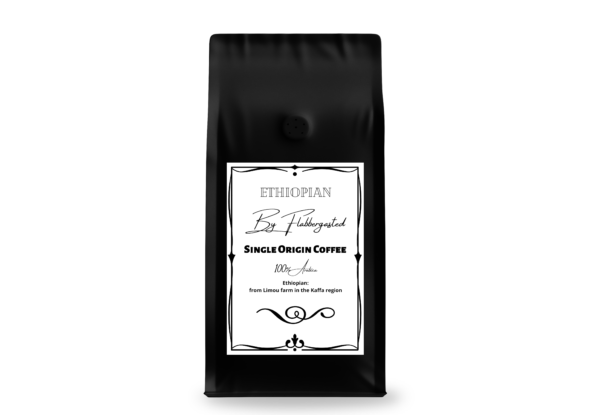
I keep a small whiteboard on the refrigerator with four dates for each and every bag: roast date, arrival day, initial mixture, and "surface by." It sounds picky, however it allows me revolve beans smartly. You do not need a whiteboard. A piece of masking tape on the bag works fine.
Matching your preference to beginning and roast, without the lingo trap
New enthusiasts encounter a wall of sampling notes that divert into perfume territory. Mango coulis, candied violet, bergamot zest. Some of it is practical, several of it reviews like a risk. Disregard the purple prose and concentrate on three signalers: roast degree, procedure, and elevation.
Roast level recommends the standard flavor. Light roasts can be brilliant, floral, or tea-like, and they reveal origin personality. Medium roasts include weight and caramel notes while keeping level of acidity active. Dark roasts stress chocolate, roast, and smoke, with reduced viewed level of acidity. If you like delicious chocolate chip cookies and stable sweetness, begin at tool. If you're curious regarding fruit and florals, lean light.

Processing transforms the mug much more. Washed coffees have a tendency to taste tidy and crisp with clear acidity, like lime or eco-friendly apple. Naturals, dried in the cherry, grab berry, jam, or winey notes, yet they can totter right into fermented if mishandled. Honey and pulped-natural live in between, with honeyed sweetness and softer level of acidity. Elevation often associates with density, which affects how the bean deals with heat in toasting and water in brewing. High-grown beans really feel snappier, often extra intricate. None of this matters if the roast is stagnant. Freshness and managing trump all.
When searching for coffee beans delivered to your door, try to find these signals in clear, ordinary language. Great roasters clarify the procedure and give you a brew referral. Great ones include work ideas for your mixture method and inform you the expected flavor variety as opposed to a single poetic note that sets you up for disappointment.
How to pick a delivery path you won't regret
Coffee registrations can be found in tastes, much like the beans. A single-roaster registration gives you foreseeable roast style and quality control. A multi-roaster subscription uses range, which aids you learn your taste swiftly. Either can be the best coffee beans delivery option, as long as you prioritize 3 points: roast-to-ship time, openness, and pack size.
Roast-to-ship time need to be limited. I go for coffee baked Monday and delivered Tuesday, arriving by Thursday or Friday. Transparency is straightforward: roast day on the bag, not simply a "best by" stamp. Load size issues since oxygen exposure is relentless once you open the bag. If you consume one to two cups a day, a 12-ounce bag is right-sized for 2 to 3 weeks. If you brew for a household or entertain, 2-pound bags can be economical, yet divided them into smaller sized impermeable containers the day you open them.
Delivery speed differs by region. If a roaster is throughout the nation and your deliveries constantly take 4 to six days, think about a closer roaster for day-to-day coffee and keep the far-off treasure for special orders. I maintain one anchor roaster in my time zone and rotate a second area for expedition. That way I can contrast exactly how beans act while keeping at least one coffee in its prime window.
A fast word on "Coffee Beans Delivery" and similar search phrases. Several service providers maximize for those terms, but that alone does not inform you just how they treat your beans. Look for roast schedules, unboxed pictures that reveal shutoffs and seals, and consumer comments that point out fragrance on arrival. If you see "Coffee Beans Delivered fast" however no roast date or degassing shutoff, step on.
The very first hour issues: what to do when the box arrives
I slice boxes open with treatment due to the fact that I have learned the hard way that bag shutoffs can capture on packaging materials. Once the bag is free, look for these signs:
- Roast date printed plainly and within the last 3 to 10 days. A one-way shutoff that lets gas getaway however withstands air intake. A strong zipper or tin-tie plus an internal seal that was intact before you opened up it.
Now, the moment of truth. You can brew a mug right now, yet if you desire the most expressive mug, match your strategy to the roast degree and approach. Light roasts for pour-over usually beam on day 3 via 8. Tool for drip hits a wonderful spot around day five to fifteen. Coffee can gain from a longer rest, commonly day seven to twenty-one.
If you use a hopper, stand up to pouring the whole bag in. Hoppers invite staling because they are not impermeable, and even the nicest grinder hopper still cooks beans under cooking area lights and ambient warmth. Instead, keep a small daily dosage in the receptacle, maybe enough for 1 or 2 brews, and refresh from your storage space container as needed.
Storing beans without strangling them
Coffee storage invites discussion. I keep my method basic and tested. The enemy list is short: oxygen, warmth, light, and wetness. Crush those 4 and you safeguard flavor.
Room-temperature storage space in an opaque, impermeable container is best for the very first month after roast. A glass container works if you stash it in a cabinet away from light and heat sources. Better still, utilize a purpose-built container with a limited seal. The ones with a one-way valve and mechanical lid feel nice, yet essential is a solid gasket and minimal headspace. Air over the beans accelerates oxidation. I pour the remaining beans right into a container that fits the quantity so there is as little air as practical. If the container is also huge, throw in a clean food-safe glass to displace volume.
The freezer is a fantastic tool, if you use it correctly. Yes, you read that right. Freezing can stop briefly staling and protect aromatics for months, yet it demands dry, closed product packaging and thoughtful portioning. Moisture is the threat. If you freeze a single big bag and after that split it open daily, condensation kinds on defrosting beans, which dulls the cup. Avoid that by separating the bag right into single-brew or single-week sections. I use small freezer-safe zipper bags or, if I am really feeling compulsive, glass vials with silicone gaskets. Squeeze air out, seal, and freeze. Take just what you need for the day or week, and make from icy or let the section warm sealed to space temperature level prior to opening. Both techniques function. Developing from iced up can slightly change grind actions, typically requiring a little work coarsening for coffee to stay clear of chokes, however results remain bright.
Do not refrigerate beans. The refrigerator is humid, packed with odors, and not chilly adequate to pause staling effectively. It guarantees your coffee preferences like last evening's garlic shrimp.
Degassing, a little shutoff, and why your bag "takes a breath"
Bags with valves are not design. They allow carbon dioxide retreat while obstructing oxygen from going into. That "breathing" conserves your bag from ballooning or blowing up en route. It also prevents tastes from silencing under caught gas. Some beginners poke openings or open bags early to speed points up. Withstand need. The roaster sized the valve to relocate gas at a healthy rate. Your only work is to maintain the bag sealed in between brews or move beans to a container that duplicates that protection.
If you buy coffee that arrives the day after roast, note that espresso shots on day two can draw violently with big crema and a weird sour surface. That isn't negative coffee, it is too much CO2 in the puck. Let it rest. You can accelerate preparedness gently by grinding a tiny dosage and discarding it, which reveals much more surface to air, but in practice persistence tastes better.
Matching distribution tempo to your mixture routine
You will certainly waste much less coffee and appreciate even more constant cups if your delivery timetable matches your alcohol consumption rate. Track the length of time a bag lasts. For someone alcohol consumption 2 10-ounce cups daily, a 12-ounce bag covers nearly a week. For coffee drinkers making three double shots a day, the very same bag lasts 4 to five days. When you come down on your speed, establish your membership accordingly and construct a little barrier. I such as to have one unopened bag in reserve and one in energetic usage. When I open the book, I set off a new order. This way I never https://elliottzftv878.trexgame.net/coffee-beans-delivery-with-recyclable-product-packaging drink past my quality window.
If you take a trip regularly or your timetable swings, skip distributions quickly rather than stockpiling. Having 3 bags kicking back noises comforting, yet coffee does not compensate hoarding. A much better strategy is to freeze one bag in portions on arrival and keep one bag open. That provides you adaptability without sacrifice.
Grind, dosage, and water: exactly how storage interacts with brewing
Even well-stored coffee adjustments day by day. As beans age they give up CO2 and aromatics, which changes just how they grind and draw out. You could observe your normal pour-over drawdown quicken by thirty secs after the 2nd week, or your espresso shot begins spurting at the very same work setting. Readjust comfortably. Keep a psychological or written note of grind adjustments across the life of a bag. Expect to tighten grind progressively as beans age, or bump your dose slightly. For espresso, I commonly move one to two micro-steps finer every few days. For pour-over, I change grind and often bump brew temperature by 1 or 2 degrees to chase after sweetness.
Water chemistry matters greater than the majority of new enthusiasts recognize. Difficult water can mute acidity and overemphasize bitterness. Extremely soft water can taste flat. If your faucet water leaves hefty range on pots, take into consideration a filter or an easy at-home mineral recipe created for coffee. Balanced water allows the bean's storage space top quality show up in the cup. I as soon as condemned a roaster for a flat, milky flavor, just to learn the vacation cabin's water was a calcium carnival. With bottled sparkling water, the exact same beans sang.
Spotting stodginess before your tongue does
You can notice staling with a couple of hints. Beans go from aromatic to shy. Grind scents lose their crisp sides. Espresso crema thins and dissipates quickly. Pour-over blossom becomes lazy, with fewer bubbles and slower expansion. In the cup, illumination dulls, sweet taste fades, and a papery or woody aftertaste slips in. Occasionally the bitterness really feels heavier and much less tidy. If you taste a flat cup on day fifteen, do not assume the coffee is gone. First check your grind and dose. Little changes can restore sweetness. If it still tastes worn out, attempt expanding call time slightly or increasing water temperature level. If absolutely nothing assists, the coffee is spent.
Well kept, most specialized beans provide a generous 2 to 4 weeks of satisfying drinking for filter methods and 2 to 3 weeks for coffee, counting from roast date. Freezer parts can hold their personality for a number of months, in some cases much longer, though ultra-bright top notes will still recede.
Curiosity as a compass: attempting different roasters and origins
One of the pleasures of obtaining coffee beans delivered is exactly how quickly you can pass by mug. A washed Ethiopian from Guji frequently tastes like citrus and jasmine when lightly roasted, while a natural from Sidama leans blueberry and pleasant cream. A Colombian Caturra from high elevation can taste like cherry and sugar. A Sumatran wet-hulled coffee brings a natural cedar tone that supports milk drinks. The array keeps early mornings interesting.
When comparing roasters, make the very same dish for each and every bag first. After that change. I maintain one or two "control" dishes, like a 15 to 1 pour-over with 94 C water, and a standard 1 to 2 coffee proportion. Those baselines expose just how the beans behave. From there, I chase what the coffee desires. A bright, floral bean gain from slightly cooler water and a coarser grind to preserve special. A chocolatey Brazil can take care of hotter water and a better grind for weight and syrup.
If you are looking for the most effective coffee beans delivery provider for your preference, dedicate to 3 months of attempting two roasters per month. Maintain notes on roast day precision, transportation time, bag design, and how long the coffee stayed vibrant. For me, a roaster makes an area when a bag tastes excellent on day seven and still charms on day twenty, also after a couple of work adjustments.
Espresso-specific peculiarities for the home barista
Espresso multiplies every little thing, great and negative. With shipment, espresso requires a bit a lot more preparation. Shots pulled too early in the remainder window can direct or eruption, while older beans can gush and taste hollow. I like an easy regimen: when the bag gets here, I purge the receptacle and dose 18 grams for an examination shot. If the circulation is uneven or sour regardless of a sensible grind, I stop and mark the bag for a later day. On day eight I return, start at a 1 to 2 proportion, and readjust in micro-steps. On day fifteen, expect to tighten the grind or elevate dosage to maintain viscosity.
For milk drinks, choose beans that favor tool roast and nutty, chocolatey accounts. Lighter beans can make exquisite straight espresso however obtain lost in milk unless you tune removal thoroughly. If you desire big cappuccino taste with less hassle, Brazil or Colombia with a tool roast will do the heavy lifting.
Vacuum securing and cold espresso parts can be a lifesaver if you consume alcohol occasionally. I have actually had outstanding shots from beans iced up on day seven and made use of 2 months later. The secret is airtight sealing and defrosting your part secured if you do not pull from frozen.
Troubleshooting shipment hiccups without drama
Packages go missing out on. Heat waves occur. If a delivery sits in a truck in August, the bag might get here looking great but taste discolored. Many roasters will help if you reach out with your order number and a clear summary. Track the first brew day and define flavor changes if you think heat damage, like a dull, ashy surface on a coffee that should be bright. Picture evidence of a bloated bag aids also. Excellent vendors worth lasting connections. A replacement bag or a ship-date change is common.

If you live where summers are brutal, pick faster shipping during warm months or ask for shielded packaging. You can also request a roast day that aligns with cooler shipment days. Tiny details like this different a featureless service from the most effective coffee beans delivery experience.
A compact, useful list for your next bag
- Choose roasters who publish roast dates and ship within 24-hour of roasting. Time your order so beans arrive 3 to 7 days prior to you intend to brew heavily. Store at area temperature in a closed, opaque container with very little headspace. Portion and freeze excess in impermeable packages, after that brew from icy or thaw sealed. Adjust work gradually as beans age, and match water high quality to display flavor.
A brief course to better mornings
Everything about coffee turns toward degeneration. Scents leakage, temperatures wander, routines wobble. The method is not to get rid of variables however to tame the large ones. When you choose a reputable resource for coffee beans delivered fresh, note your roast dates, and store the beans with care, the rest becomes play. You make little grind nudges rather than determined swings. You taste beginning personality as opposed to stodginess. You get up to mugs that feel intentional.
If you're standing at the edge of this pastime, choose one bag each from two roasters. Aim for a tool roast washed Latin American coffee and a light roast Ethiopian. Make both with the same dish first. Take basic notes on timing, work, and flavor. Change your following delivery based upon what you liked. With a couple of cycles, you will locate that sweet place where regular meets discovery. The very best coffee beans delivery isn't a solitary firm stamped in gold foil. It is the system you develop around your mornings, one bag at a time.